

CAN’T FIND WHAT YOU WANT? NAME IT. DESCRIBE IT. WE’LL SOURCE & PROCURE IT FOR YOU AT NEAR-FACTORY PRICES. FURNISH YOUR FULL HOME WITH US FOR EVEN BETTER PRICES — SAVE UP TO 20% + ENJOY FREE DIRECT SHIPPING FROM OUR INTERNATIONAL SUPPLIERS STRAIGHT TO YOUR DOORSTEP.
Why Furniture Showroom Prices Are Often Inflated — And What Informed Buyers Understand.
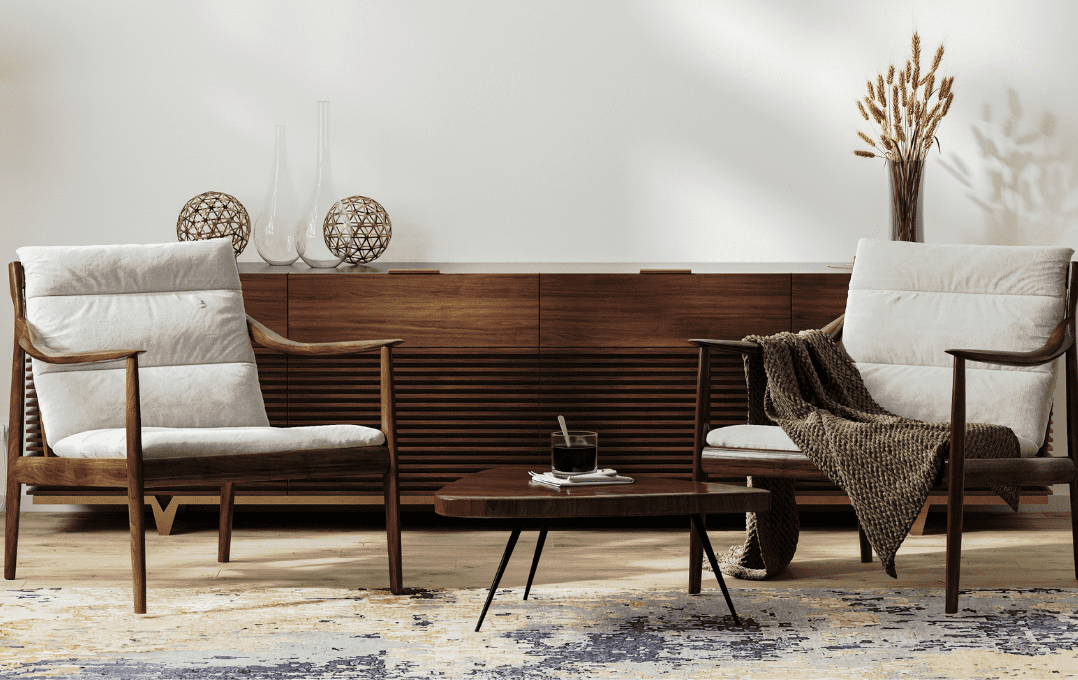
Step into a luxury furniture showroom and the experience is deliberate.
Lighting is softened. Scents are curated. Music hums quietly in the background. Sales language is polished. Every detail signals prestige before you even glance at a price tag.
It feels elevated. It feels exclusive.
And then you see the number.
Sometimes it aligns.
Often, it makes you pause.
Not because you don’t value quality — but because something feels disproportionate.
The Architecture of a Price Tag
In traditional retail structures, furniture rarely moves directly from maker to buyer. It travels through layers:
Manufacturer → Distributor → Retail Brand → Showroom
Each layer adds margin. Then comes the cost of maintaining the “luxury environment”:
• Prime commercial rent
• Large showroom footprints
• Staging and visual merchandising
• Sales commissions
• Brand marketing campaigns
These costs are real. But they do not strengthen a frame.
They do not improve joinery.
They do not increase material density.
They sustain the theatre.
When “Luxury” Becomes a Costume
Over time, many buyers have noticed something subtle.
The word luxury is often applied broadly.
Clean lines become “designer.”
Standard upholstery becomes “signature.”
Basic silhouettes are rebranded as exclusive collections.
And pricing quietly stretches to match the language.
The piece may be solid.
But the tag often reflects far more than construction.
The Quiet Discomfort Buyers Feel
There is a particular frustration in wanting refined interiors while sensing that you are paying for ambiance more than substance.
You want elegance.
You want presence.
You want your space to feel elevated.
But you don’t want to feel taken advantage of for aspiring to it.
For years, many simply accepted this imbalance as normal —
as the cost of stepping into “luxury.”
Until the market began to evolve.
The Shift Toward Rational Retail
Today, informed buyers are asking sharper questions:
• How is this constructed?
• What materials are actually being used?
• How many margins sit between production and purchase?
• Is this price driven by structure — or by showroom overhead?
At the same time, retail models have changed.
With lean operations, virtual inventory systems, and direct supplier partnerships, it has become possible to remove unnecessary layers between source and buyer.
Fewer layers mean fewer stacked margins.
And when margins are disciplined, pricing begins to reflect product — not performance.
Luxury Without Inflation
Luxury does not have to mean excess.
It can mean precision.
Intentional sourcing.
Operational efficiency.
Respect for the buyer’s intelligence.
When retail is structured intelligently, value and refinement are no longer opposites.
They coexist.
And for buyers who have long felt the weight of inflated tags dressed in beautiful lighting, this shift feels less like a discount — and more like relief.
A return to proportion.
Once you understand how pricing structures work, you stop being impressed by square footage and scented air.
You begin to look at structure.
At finish.
At balance.
And you start choosing differently.